
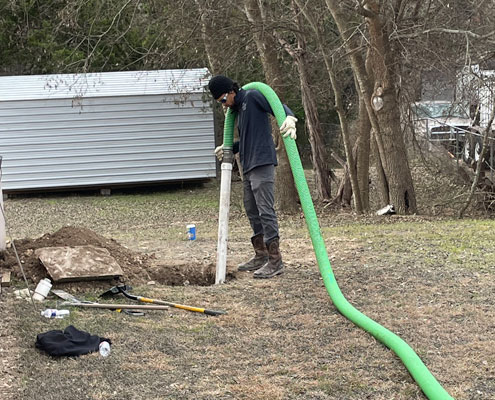


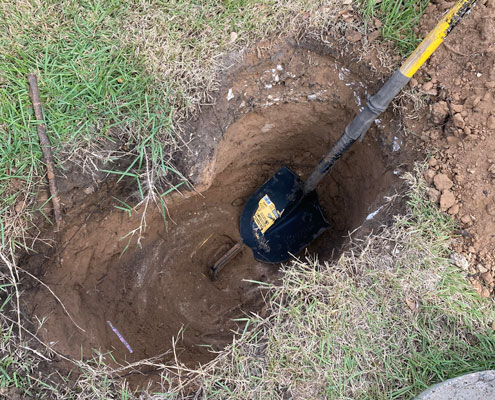
Grease services are essential for maintaining functionality of commercial kitchens and food processing facilities. Grease traps are used to prevent fats, oils, and grease from entering the sewage system which can cause blockages and environmental harm. Grease trap cleaning is necessary to prevent clogs and keep the traps functioning properly. Unlike regular septic pumping, the grease we remove is transported to a separate facility for proper and ethical disposal. Grease removal is serious business to the environment and requires additional tracking, reporting, and paperwork at the treatment facility to remove- we take care of all of this for you. Grease trap maintenance is also a mandated requirement to keep you in business. Without regularly scheduled services you could face kitchen emergencies, fines, penalties, and even business shut down by health inspectors. Call us today to set up a pump out or to get you on a regular pumping schedule depending on the volume of your business.
What should I know about my Grease Trap?
Grease removal should be regularly maintained based on the size of the trap, what you are putting into the trap, and local regulations and enforcements. Texas requires grease removal every 90 days, however, many establishments schedule more frequent cleanings due to the amount of grease collected, especially if the tanks are smaller.
There are small and large traps- smaller traps are 50 gallons or less and typically in the kitchen. Larger traps can hold up to a thousand gallons or more and are located outside of the facility. Most of the grease from a restaurant actually comes from the dishwasher! To avoid quicker collection in your grease trap, scrap as much food off of the dishes and cookware before washing them in the dishwasher. This can make a significant difference in the amount of grease that ends up in the grease trap and extend the amount of time between grease removal.
With smaller traps, it can be easy to learn how frequently your trap needs cleaning. You may notice a smell or notice that your sinks are draining more slowly when the trap needs to be cleaned. Try to learn how long these problems generally begin and adjust scheduling your services to before the problems occur. This will keep your kitchen always moving at full speed and cut down on your kitchen emergencies.
Larger traps are usually designed to withstand the 90 days between grease removal. However, if you notice your large trap collecting a significant amount of grease, you may need to schedule the removal more frequently. This can be the difference between a soup and salad shop verses a Mexican restaurant.